
Xinping
An AC Reactor is a practical safeguard between a motor drive and costly electrical stress. It adds impedance to the circuit, slowing sudden current changes and reducing harmful voltage disturbances. In a factory, this can mean fewer nuisance trips, quieter operation, and less heating inside motor windings. The effect is measurable. A properly selected reactor can also reduce input harmonics and limit inrush current during demanding operating cycles.
Motor-drive specialist Gary L. Skibinski is widely associated with practical guidance on motor and drive protection. His central message can be expressed clearly: “The drive and motor must be treated as one complete system.” That principle matters when choosing an AC Reactor. The reactor is not a universal cure. Its impedance rating, current capacity, frequency range, and installation position must match the drive, cable length, and motor load. An undersized unit may overheat. An oversized unit may create unnecessary voltage drop.
The details become visible on the shop floor. A long cable can produce reflected-wave stress at the motor terminals. A heavy conveyor may demand repeated acceleration. A pump may run smoothly, yet suffer during frequent starts. In each case, the reactor changes how electrical energy reaches the motor. It buys time. It reduces stress.
Still, protection is not automatic. Engineers must verify temperature rise, audible noise, available short-circuit current, and drive compatibility. Manufacturer data should guide the final selection. One overlooked detail can weaken the whole design. A careful review often costs less than replacing a motor, drive, or damaged production schedule.
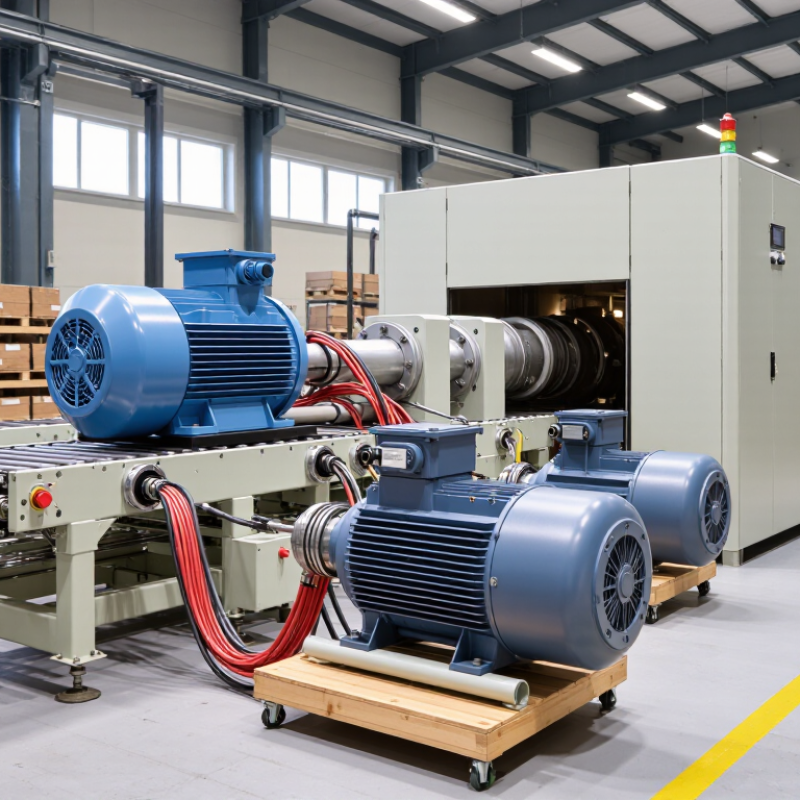
An AC reactor adds controlled inductance to a motor circuit. It slows sudden current changes, like a narrow valve calming water hammer in a pipe. This reduces inrush stress, transient spikes, and harmonic current entering the supply. The U.S. Department of Energy’s Motor Systems Market Assessment reports that motor-driven equipment uses about 68% of industrial electricity in the United States. Small protection improvements can therefore affect large operating costs. An AC reactor also helps stabilize a variable-frequency drive’s DC bus and can reduce nuisance trips caused by weak power networks.
Tips: Select the reactor by voltage, motor current, frequency, and impedance percentage. A 3% reactor is common for general input protection, but site conditions matter. Measure voltage distortion and temperature, rather than guessing. On the motor side, a reactor can soften reflected-wave stress on long cable runs. It is not a complete substitute for a sine-wave filter, especially with older motors or very long leads.
IEC 60034-17 discusses insulation stress in converter-fed motors, including steep voltage pulses from switching drives. That detail matters: the motor may run normally while insulation ages quietly. IEEE 519-2022 addresses harmonic control at the point of common coupling, so reactor selection should support the facility’s measured harmonic plan. A reactor does add voltage drop and heat. That trade-off is easy to overlook. In practice, verify current, sound, cabinet temperature, and motor acceleration after installation. The “best” reactor is sometimes not the largest one.
Why Use an AC Reactor for Motor Protection?
Electrical disturbances rarely arrive alone. A voltage sag may occur when large equipment starts. A switching surge can then strike the motor terminals. Harmonics may keep heating the windings afterward. The U.S. Department of Energy reports that motor-driven systems consume about 70% of industrial electricity. Even small electrical losses can become costly during continuous operation. An AC reactor adds impedance between the supply, drive, and motor. It softens current peaks, reduces some harmonic distortion, and limits damaging transient energy.
Voltage imbalance deserves close attention. NEMA MG 1 states that a 1% voltage imbalance can create approximately 6% to 10% current imbalance. That imbalance increases winding temperature and accelerates insulation stress. A reactor cannot correct a badly unbalanced utility supply. It can, however, reduce the severity of disturbances reaching the motor. In variable-speed drive systems, it also helps moderate rapid current changes during acceleration and deceleration.
Field measurements are essential. A reactor selected from motor horsepower alone may be inadequate. Engineers should check voltage, frequency, load profile, cable length, short-circuit conditions, and harmonic levels. IEEE 519 provides guidance for managing harmonic distortion in power systems, but compliance is not automatic. The uncomfortable truth is simple: a reactor is not a cure-all. Poor grounding, loose terminals, or an undersized motor can still cause failure. A thermal scan and power-quality recorder often reveal what visual inspections miss. That extra evidence may challenge the first diagnosis.
An AC line reactor adds impedance between the supply and a motor drive. That impedance slows sudden changes in current, helping reduce current spikes and soften the electrical load on the drive’s input components. During acceleration, the effect can be practical: less abrupt current fluctuation in the conductors and less stress on connected equipment. Not a shield against every fault.
IEEE Std 519-2022 sets a current total demand distortion limit of 5% at the point of common coupling when the short-circuit current-to-load current ratio is below 20; limits vary with that ratio. A reactor can help manage harmonics, but it does not guarantee compliance. Placement matters, too. A line-side reactor mainly addresses supply-side current; an output reactor is used for drive-to-motor effects. NEMA MG 1-2016, Part 31, gives a motor-insulation benchmark of 3.1 times rated voltage peak for certain inverter-fed motors rated 600 V or less, at a specified rise time. That is a motor withstand criterion, not a promise that any reactor will prevent damaging voltage peaks. Check the drive manual, cable length, and motor rating before selecting one. The detail is easy to miss. A reactor can help, but sizing it by habit is not engineering.
| Reactor Location | Electrical Stress or Issue | How the Reactor Helps | Motor or Drive Benefit | Important Limitation |
|---|---|---|---|---|
| Input (line-side) reactor | Current harmonics and rapid changes in input current drawn by a variable-frequency drive (VFD). | Adds series inductance, which opposes rapid current changes and can reduce harmonic current and the severity of line-current peaks. | Can reduce electrical stress on the drive’s input rectifier and help limit nuisance effects from a stiff supply. | It is installed on the supply side of the drive; it does not directly filter the VFD’s PWM output to the motor. |
| Output (load-side) reactor | Fast voltage transitions and current changes in the VFD-to-motor cable circuit. | Adds inductance between the VFD and motor, moderating current changes and reducing some high-frequency output effects. | Can help reduce motor-terminal voltage stress and provide added protection in suitable drive-and-cable installations. | It is not equivalent to a dedicated dv/dt filter or sine-wave filter; suitability depends on the drive, cable, and motor. |
| Long motor cable with a VFD | Voltage-wave reflections on the cable can increase peak voltage at the motor terminals. | An appropriately selected output reactor can moderate the drive-to-motor circuit, although the amount of peak-voltage reduction varies by installation. | May help reduce repetitive insulation stress, especially where cable length and drive switching characteristics make reflected waves a concern. | Check the drive manufacturer’s cable-length guidance and motor insulation ratings; a dv/dt or sine-wave filter may be needed. |
| Drive input exposed to supply disturbances | Brief supply-side voltage disturbances or current surges can stress drive components. | Series inductance can limit the rate of current rise and may reduce the severity of some disturbances reaching the drive. | Can improve the electrical conditions seen by the drive and contribute to more reliable operation. | A reactor does not replace fuses, circuit breakers, surge protection, or correctly coordinated drive protection. |
| Motor starting across the line | Direct-on-line starting can produce high inrush current and mechanical torque transients. | A correctly designed series reactor can limit current, but it also causes voltage drop and changes the motor’s starting torque. | May be useful in a properly engineered starting system where reduced inrush is required. | It is not a universal substitute for a soft starter or VFD; verify starting torque, acceleration time, and thermal limits. |
| Reactor selection and installation | Incorrect inductance, current rating, or installation location can create excess voltage drop or heating. | Selection is based on the system voltage, current, drive or motor requirements, and the reactor’s specified impedance and thermal rating. | Correct application helps deliver the intended reduction in electrical stress without compromising equipment operation. | Follow the equipment instructions and applicable electrical codes; a reactor does not eliminate the need for proper grounding and motor protection. |
AC reactors are commonly installed around variable-frequency drives on pumps, fans, conveyors, and compressors. A line reactor sits between the supply and drive. It helps limit current surges and reduce harmonic distortion entering the electrical system. The U.S. Department of Energy’s 2014 motor-system sourcebook estimates that motor systems use roughly 70% of industrial electricity. That makes thoughtful drive protection relevant across many facilities, not just large plants.
An output reactor goes between the drive and motor, often inside the drive cabinet or near the motor circuit. It can soften voltage rise and reduce stress on motor insulation, especially when long cables connect the two. Long runs matter. For example, a motor mounted above a production floor may have a cable route that adds electrical stress the original drive setup did not account for. The reactor’s value depends on cable length, switching characteristics, motor condition, and the drive manufacturer’s guidance.
A reactor is not a cure-all. It does not replace correct grounding, overload protection, or a review of the drive’s operating limits. IEEE 519-2022 addresses harmonic control at the point of common coupling, so engineers should assess the complete installation rather than assume one component guarantees compliance. Selection can be untidy in real facilities; cable routes and motor histories are not always documented well. A site measurement may reveal more than a neat diagram.
Why Use an AC Reactor for Motor Protection?
Factors to Consider When Selecting an AC Reactor
An AC reactor can reduce current spikes and electrical disturbance reaching a motor, but the right choice depends on its position in the drive system. A line-side reactor helps limit input disturbances; a motor-side reactor can reduce the effects of inverter switching. They are not interchangeable. The U.S. Department of Energy’s 2014 United States Industrial Electric Motor Systems Market Opportunities Assessment estimated that motor-driven systems use about 68% of U.S. manufacturing electricity. Careful selection matters at this scale. Still, a reactor cannot correct every cause of motor failure.
Check the drive’s rated current, supply voltage, and required impedance before choosing a unit. Also consider switching frequency, cable length, and the motor’s insulation rating. Long cables can increase voltage stress at the motor terminals. A reactor may reduce that stress, but its added voltage drop and heat need attention. Confirm the manufacturer’s specifications and allow for the actual enclosure temperature—not just the room temperature. Oversizing can seem safer, yet it may add cost and losses without solving the real issue.
Tip: Record motor current under normal load, measure the cable run, and verify whether protection is needed before or after the drive. If the problem is unclear, pause and review the drive manual with a qualified engineer. A reactor is only one part of motor protection.
Approximate voltage drop at rated current for common reactor impedance ratings. A reactor can help limit current transients and reduce the impact of supply disturbances; select its impedance, current rating, and voltage rating to suit the motor and application.
The percentages are approximate: actual voltage drop depends on current, power factor, and the reactor’s impedance characteristics. Confirm selection with the motor and drive specifications.
It adds impedance between the power supply and drive. This slows sudden current changes and can reduce current spikes. It is not a shield against every fault.
A line-side reactor manages disturbances entering the drive. An output reactor addresses drive-to-motor effects. These positions are not interchangeable. Easy detail to miss.
No. It may reduce harmonic current, but compliance depends on system conditions and installation point. Measure distortion at the required connection point.
Check drive current, supply voltage, impedance, switching frequency, cable length, and motor insulation rating. Record normal-load motor current. Guessing is weak engineering.
Long cables can raise voltage stress at motor terminals. An output reactor may soften switching effects. Confirm cable length and peak-voltage limits first.
It can reduce some electrical stress, but it cannot prevent every damaging peak. Compare drive settings, cable length, motor rating, and insulation capability.
It can create voltage drop, heat, cost, and additional losses. Enclosure temperature matters, not only room temperature. Oversizing may solve nothing.
Review the drive manual when the failure cause is unclear. A qualified engineer should check protection location and operating measurements. Pause before buying hardware.
An AC Reactor is a valuable component for improving motor protection and power quality in electrical systems. Installed in series with a motor circuit, it adds impedance that helps limit sudden changes in current, reduce harmonics, and soften electrical disturbances caused by switching, voltage fluctuations, or variable-speed drive operation. By controlling these stresses, an AC Reactor can reduce heating, insulation strain, nuisance trips, and mechanical shock, helping the motor operate more smoothly and reliably.
AC reactors are commonly used with motors driven directly from the supply or through adjustable-speed drives, especially where long cable runs, frequent starting, or unstable power conditions are present. When selecting one, users should consider the motor’s voltage, current, operating frequency, load characteristics, required impedance, installation environment, and available space. Correct sizing is essential: an appropriately selected AC Reactor provides effective protection without causing excessive voltage drop, energy loss, or unwanted impact on motor performance.